
MOZAMBIQUE SAFARI
tour Overview
4 Nights/5 Days
An exclusive Safari-Conservation Adventure as we travel deep into the wild and epic landscapes of Mozambique. Daily safari game drives and some incredible hands-on wildlife conservation experiences.
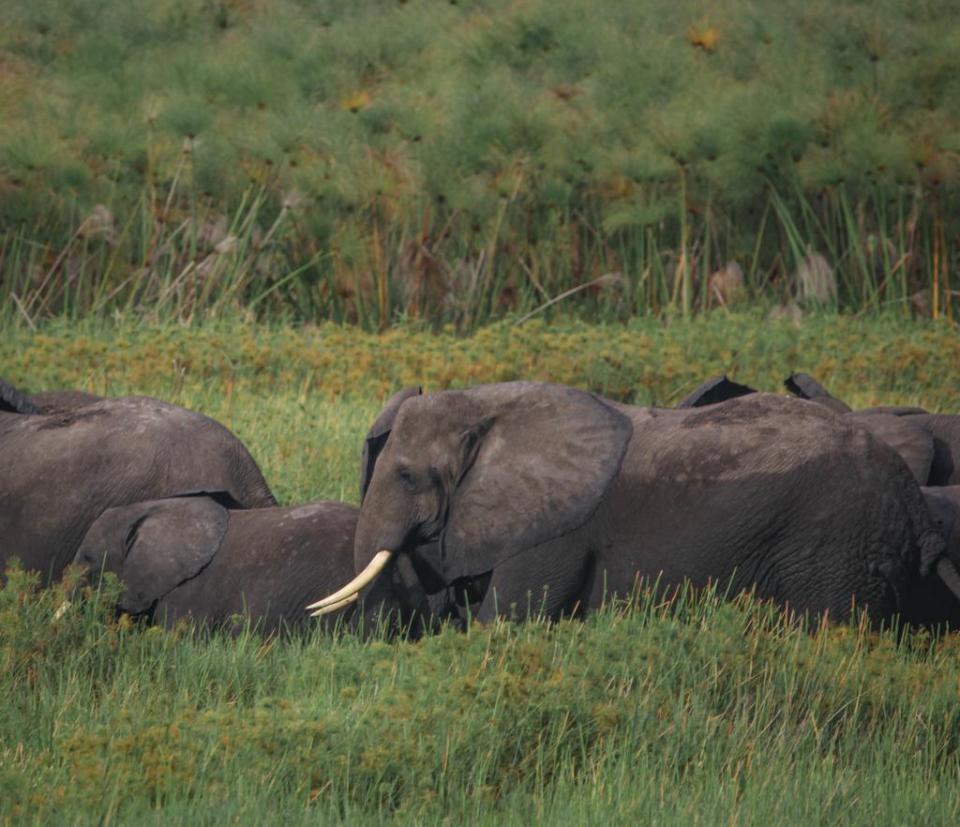
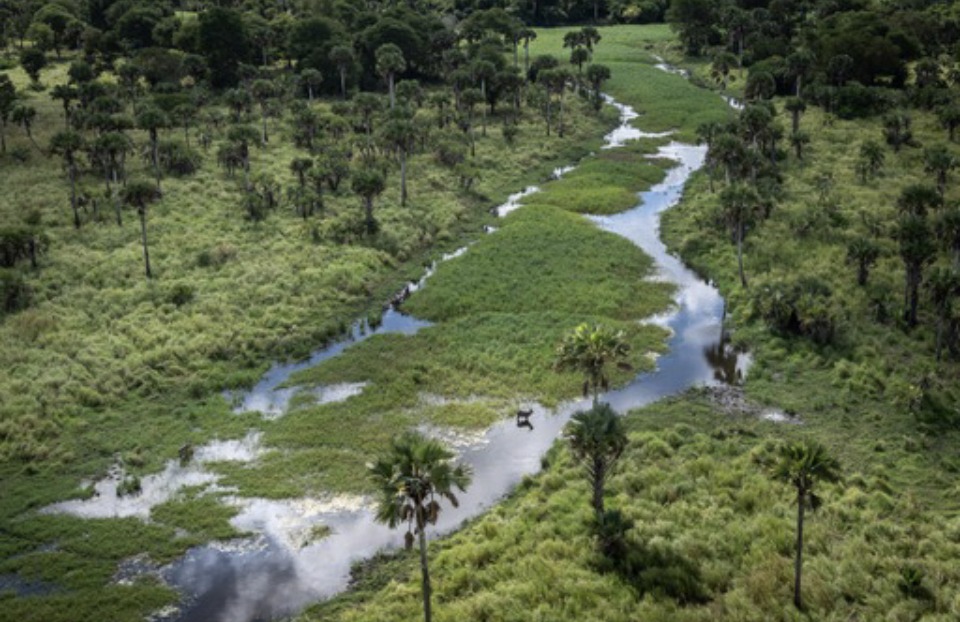
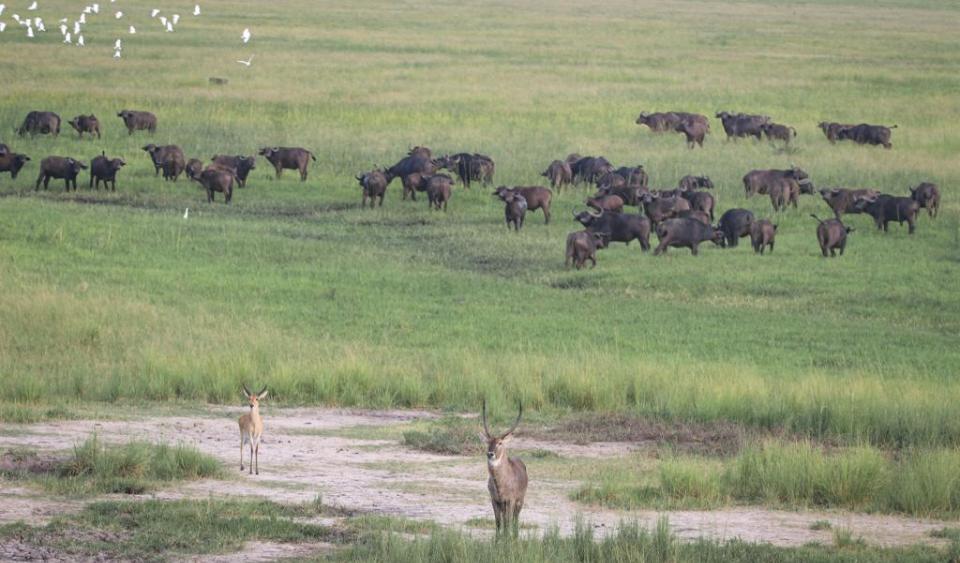
We will venture into the hidden gem of Central Mozambique in the Zambezi River Delta. This area is known for its pristine and varied biodiversity. There are six distinct habitats which include woodlands, forests, tropical savannah, swamp, and floodplains.
The idea behind this unique adventure is to go ‘behind the scenes’ and learn about the various conservation issues that are threatening some of Africa’s most endangered wildlife and habitats. These are unique partnerships where Safari operators have joined hands with the Mozambique government, local communities, and researchers to manage and revive these areas and the wildlife that were previously decimated during the civil war.
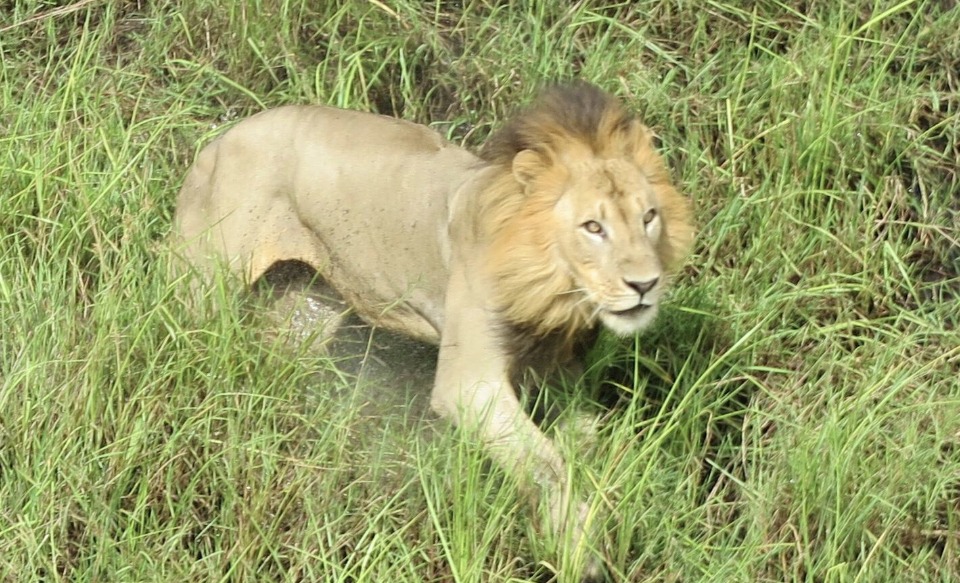
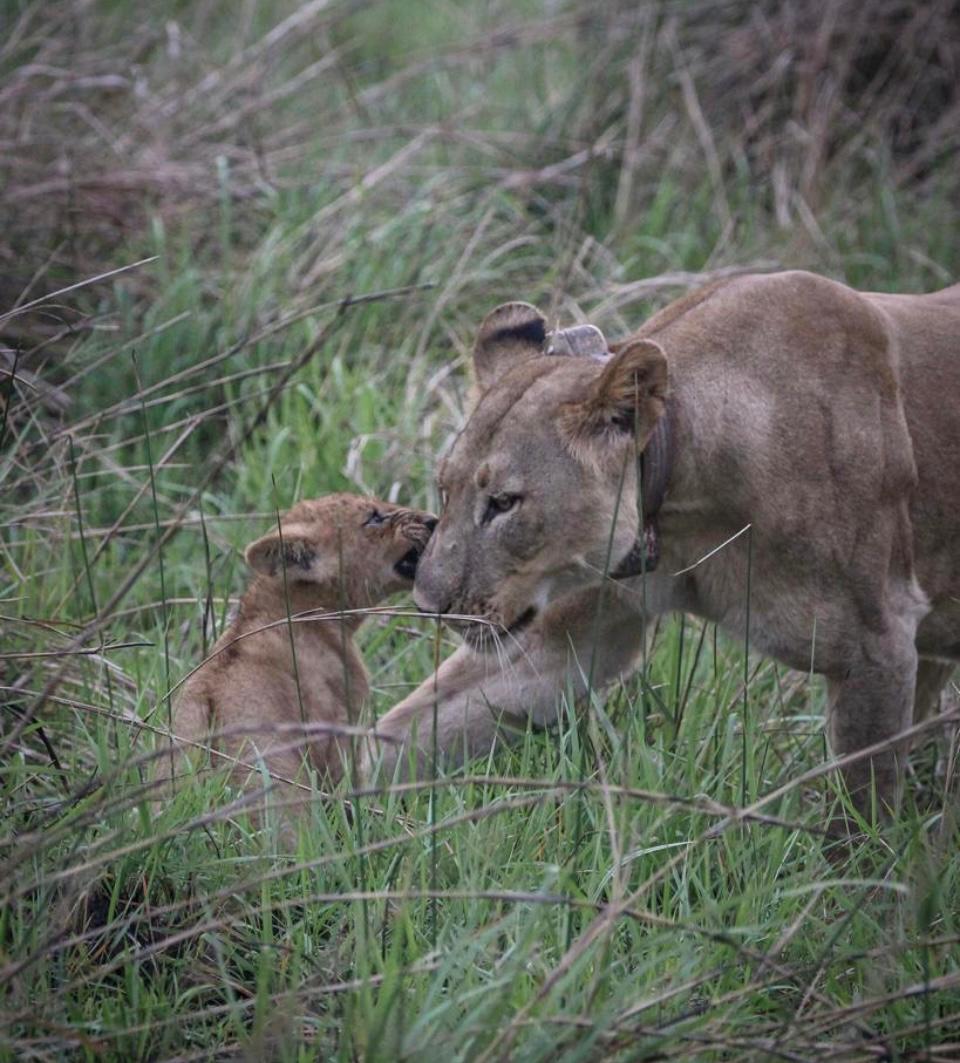
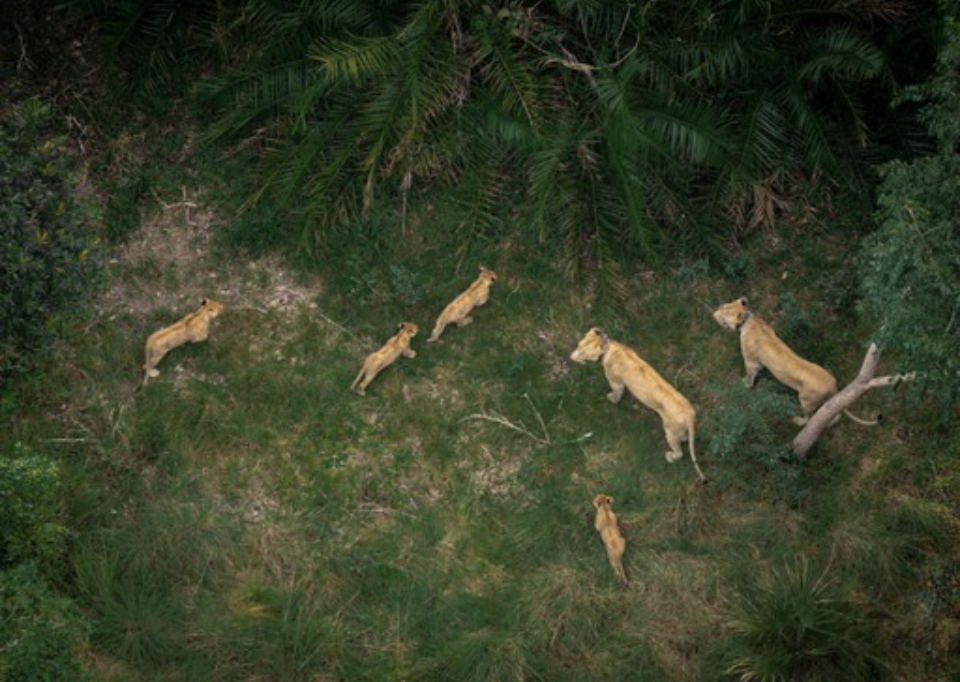
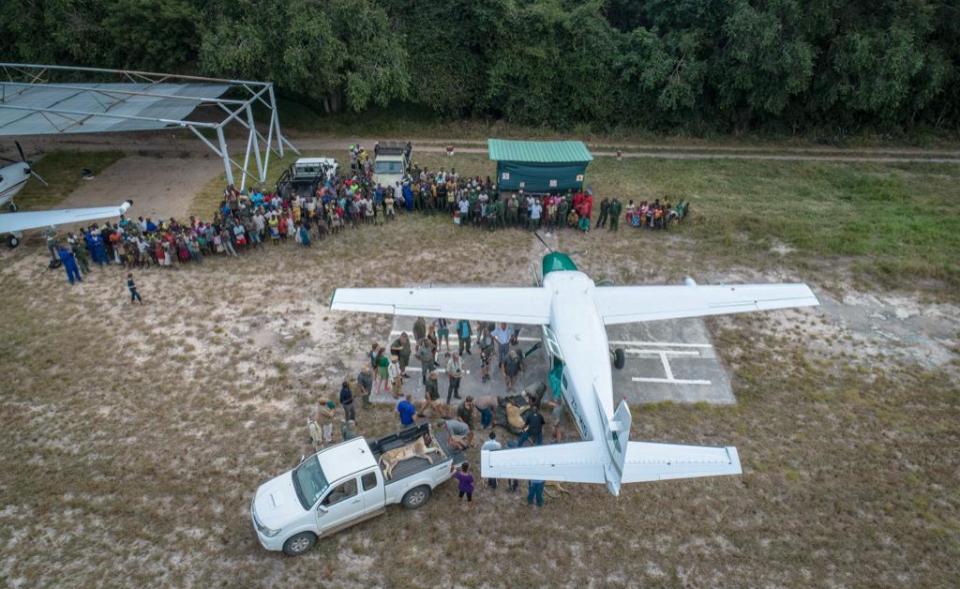
We will get to meet with several top wildlife veterinarians, wildlife researchers, anti-poaching units and the helicopter and plane pilots that are all working on the frontlines (aka: in the field) protecting, and successfully re-introducing some of Southern Africa’s most iconic wildlife back into this concession (reserve), such as lion and cheetah.
We’ll also meet with some of the local communities that are living amongst wildlife and learn how they are ‘coexisting’ together and benefitting from the various projects.
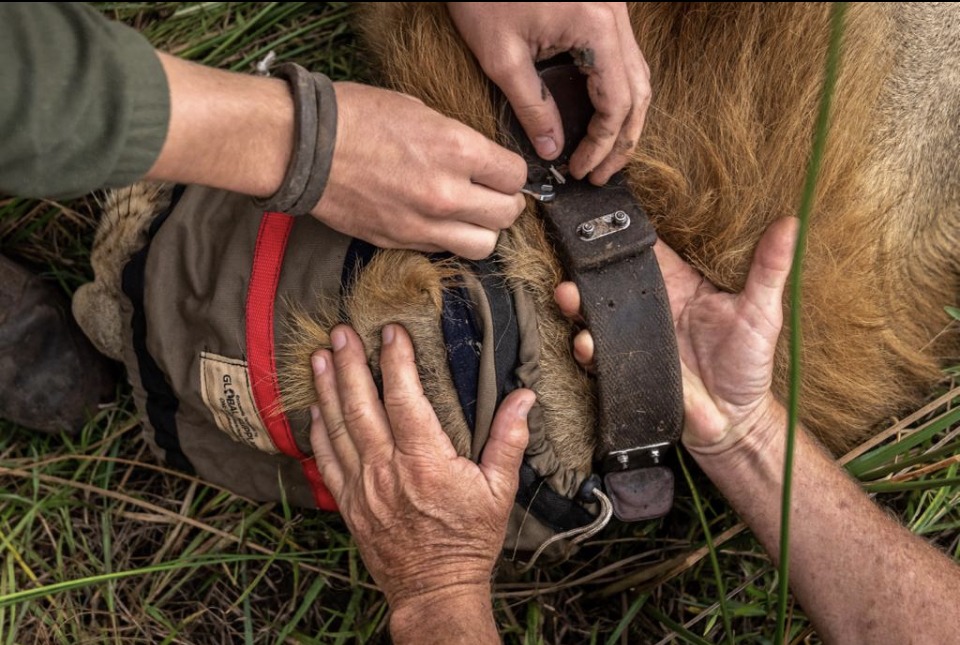
Our philanthropic work will focus on collaring a lion, cheetah, hyena, and elephant, as well as monitoring of these species daily.
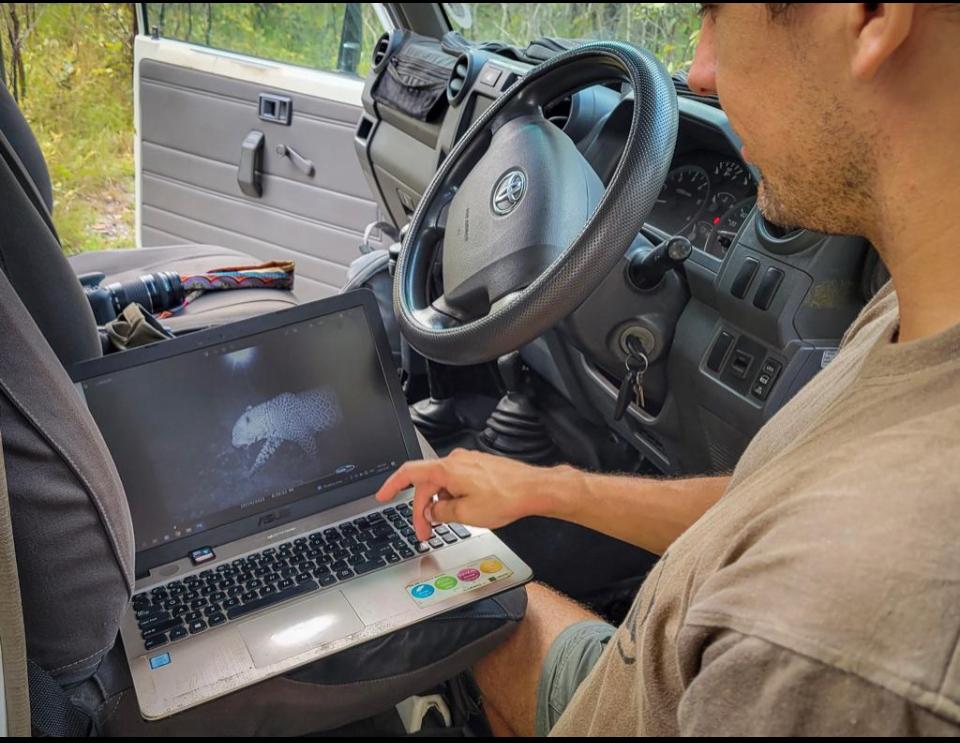
Technology-Artificial Intelligence plays a huge role in collecting data and monitoring wildlife. We’ll see some of the A.I. that’s currently being used in the field: from drones, to camera traps, to surveillance helicopters, and anti-poaching zap wing planes.
Plus, see how the local communities live amongst wildlife, by coexisting together. And learn how conservation is ever-changing in today’s modern ecological landscape.
We’re able to offer these very special, privately curated trips through our years of trusted relationships with some of Africa’s best conservation teams. By joining this trip, your participation and contribution truly make a difference, and brings much needed awareness to all Africa’s Wildlife.
We’ll also meet with some of the local communities that are living amongst wildlife and learn how they are ‘coexisting’ together and benefitting from the various projects.
ITENERARY
This suggested itinerary offers unforgettable experience. Thoughtfully crafted for excellence, it remains adaptable to changes in availability and weather, ensuring a flexible and personalized journey throughout.
ARRIVAL
- Morning flight from Johannesburg to the city of Beira in Mozambique (1.5 hour flight time. Arrives around 3:00pm in Mozambique, then clear customs at the airport.
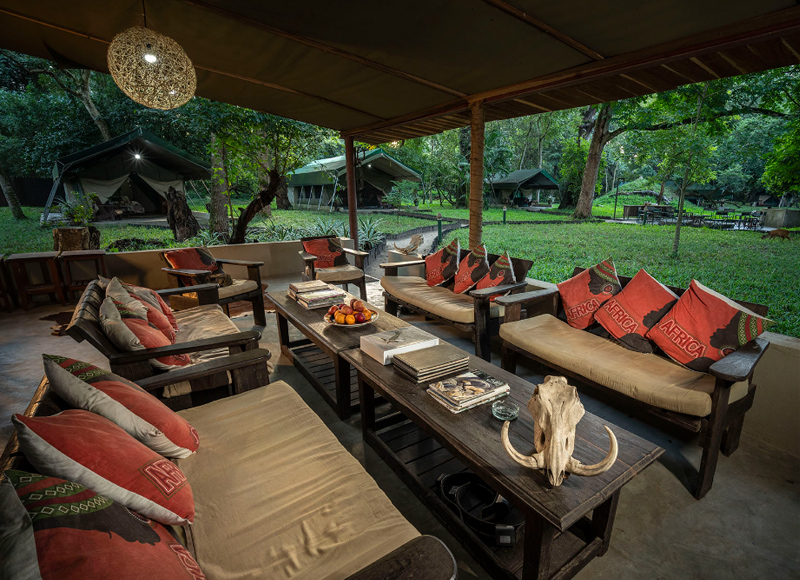
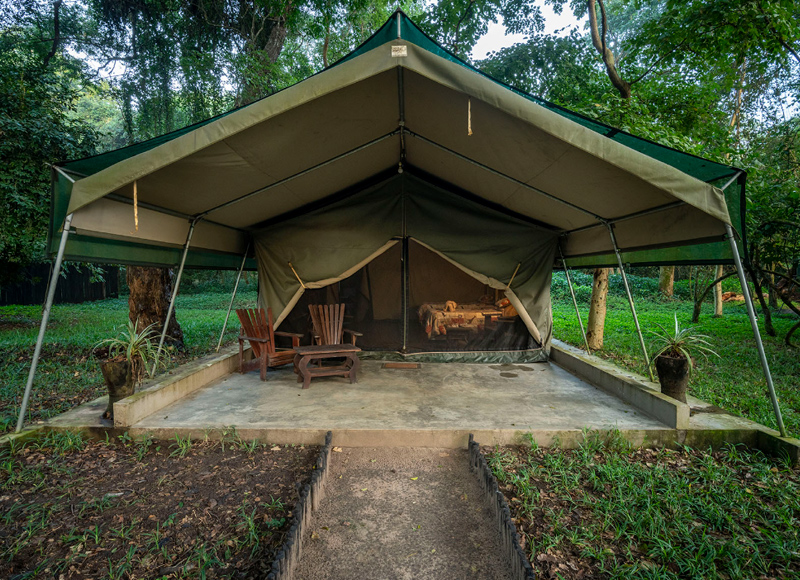
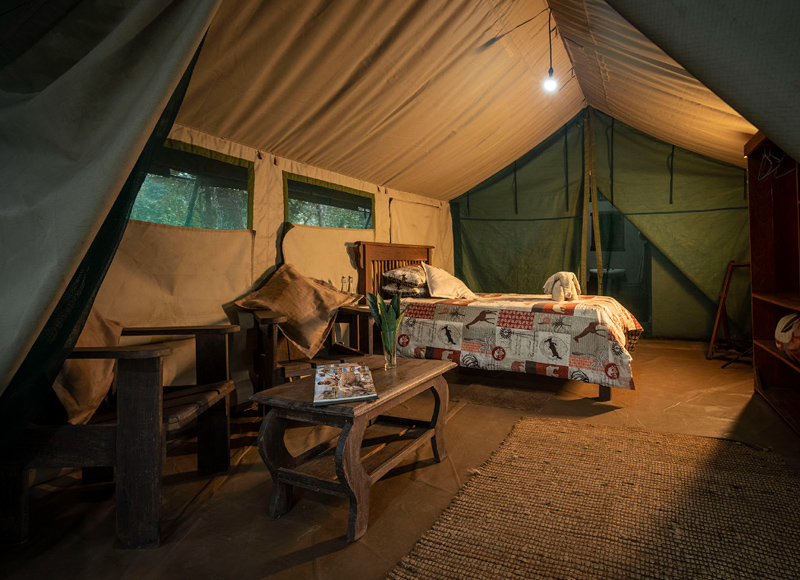
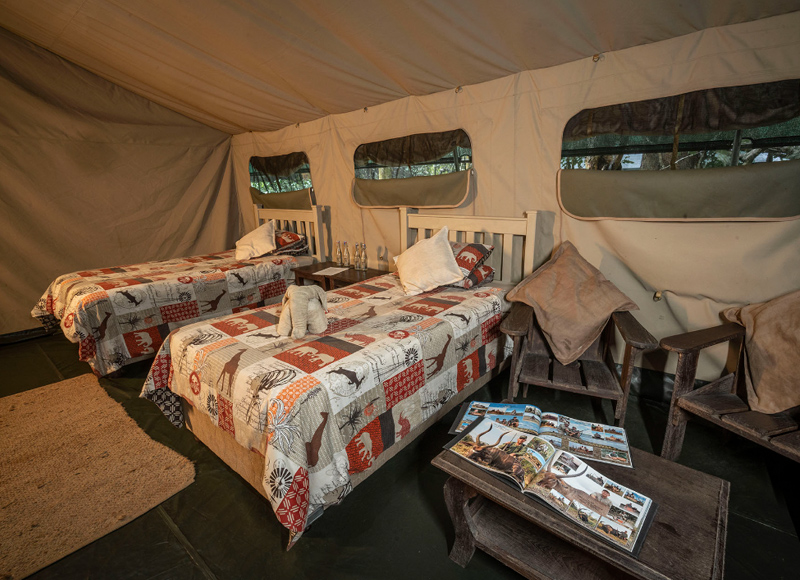
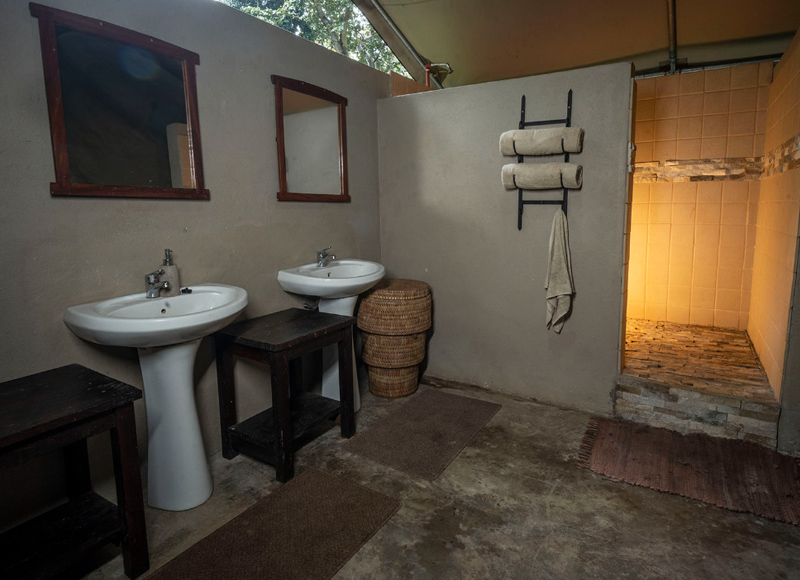
- From the airport: x1 1-hour helicopter charter flight from Mozambique airport to the lodge, then settle into camp.
- Afternoon/evening game drive, orientation about the area.
- Introduction to the research team and outline plans for the trip.
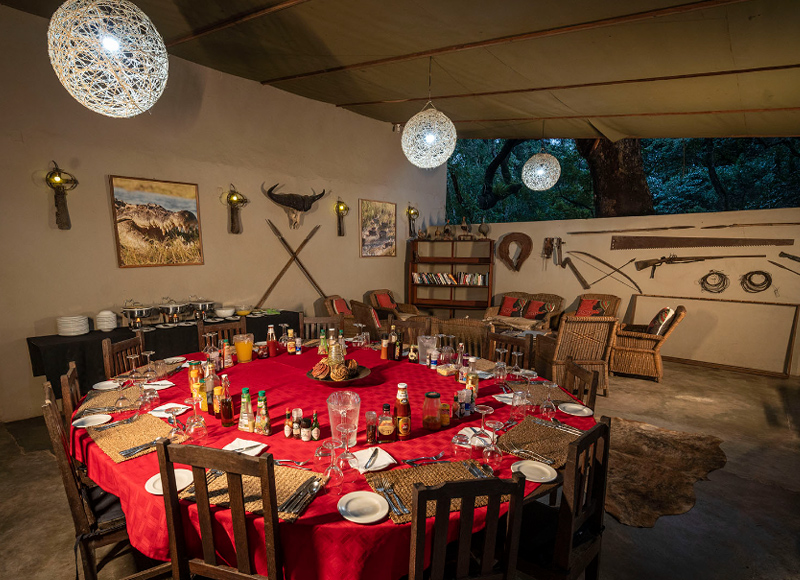
- Dinner and plans for the following day.





DAY 2
Start the day with tea, coffee, and rusks before a 5:00 am game drive, timed to catch peak predator activity.
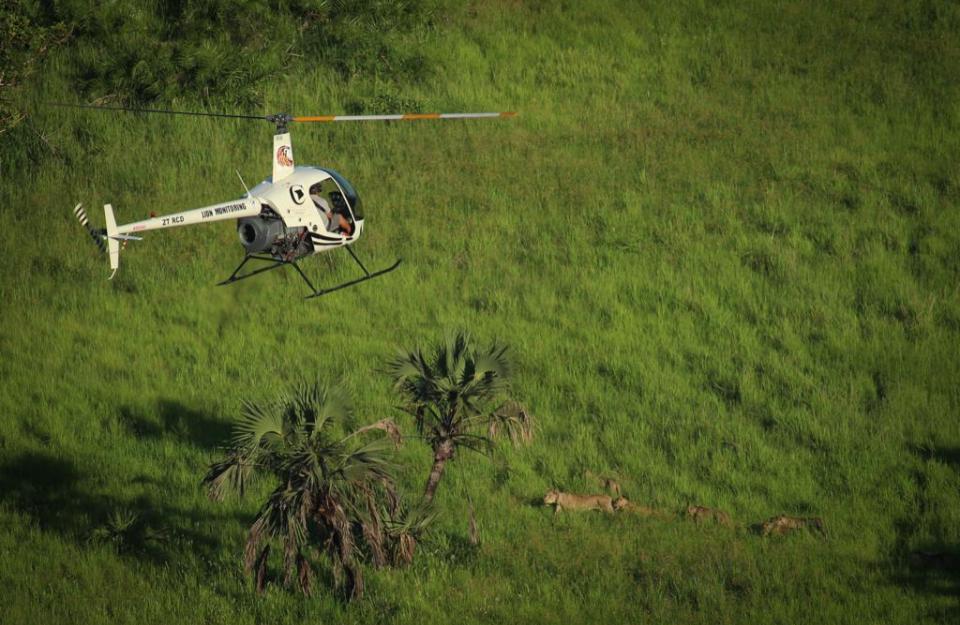
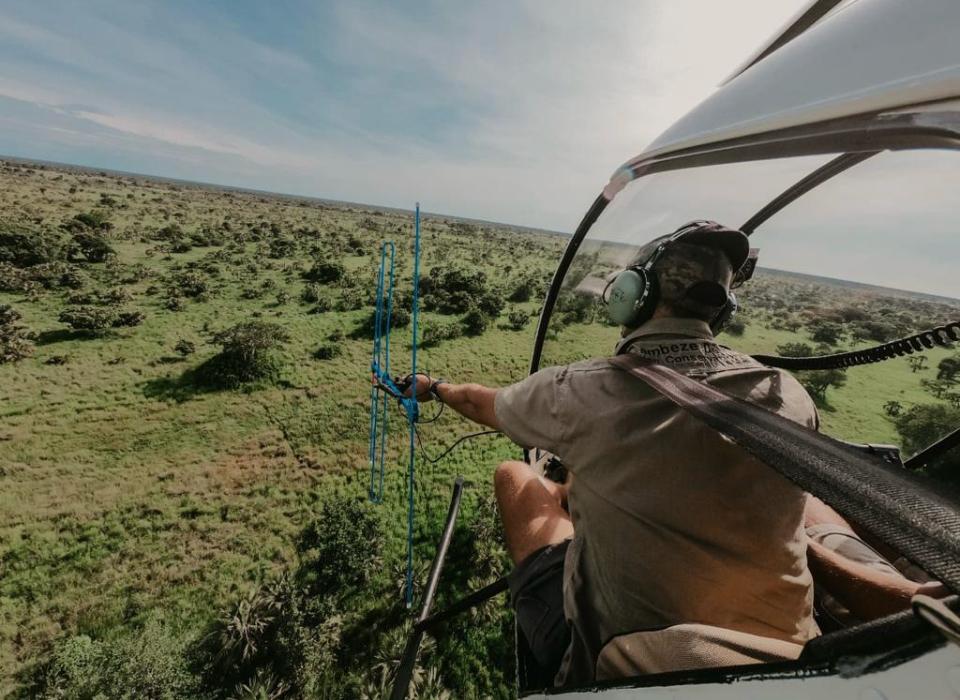
Check camera traps, download data, and track lions and other collared wildlife using telemetry. Researchers will share insights during these intimate, guest-exclusive sightings.
Return to the lodge for brunch or lunch, followed by a look at the analysis process and findings from the morning’s lion observations.
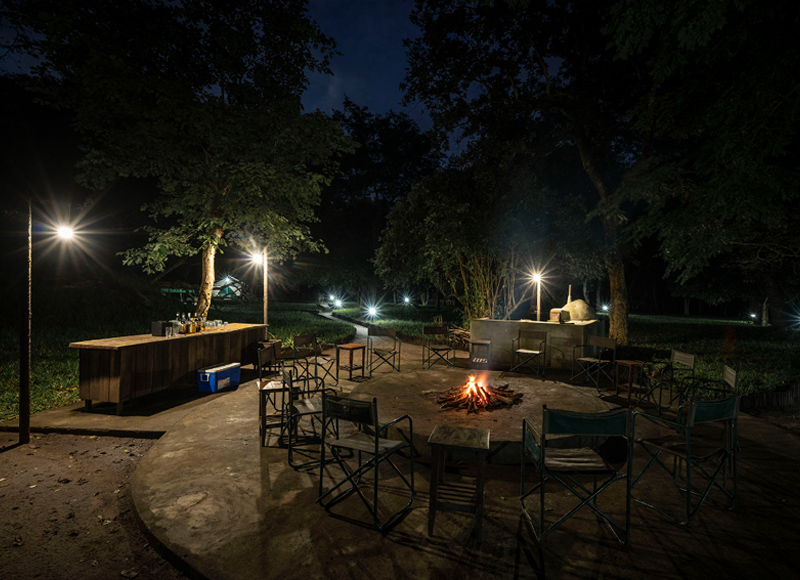
Head out again in the afternoon for a game drive across floodplains and forests, ending with sundowners in the bush.
Conclude the day with dinner at the lodge and a briefing on upcoming collaring operations and the vital conservation goals behind them.



DAY 3
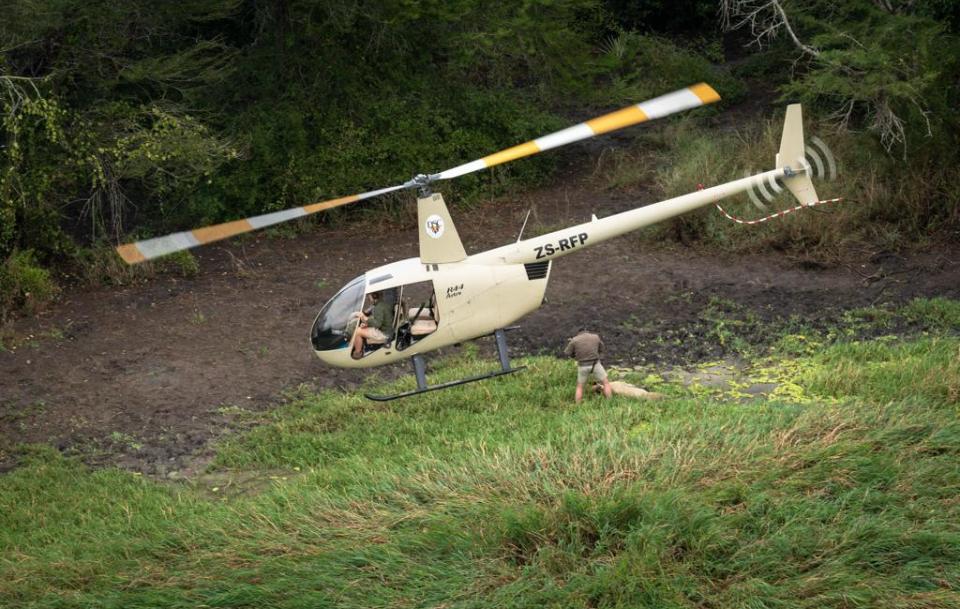
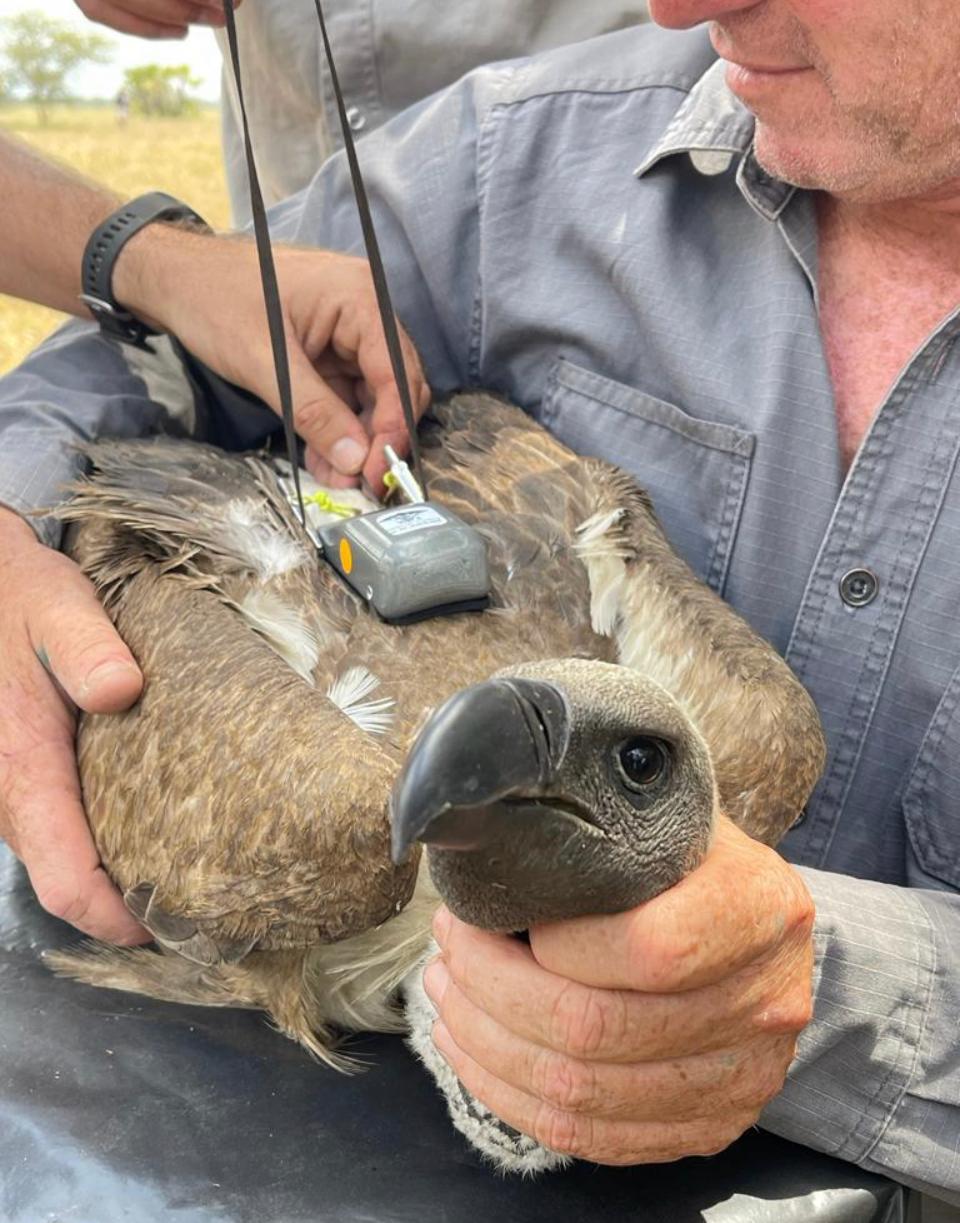
Begin the day with tea, coffee, and rusks before setting out on a once-in-a-lifetime collaring experience with lion and/or elephant.
The Procedure:
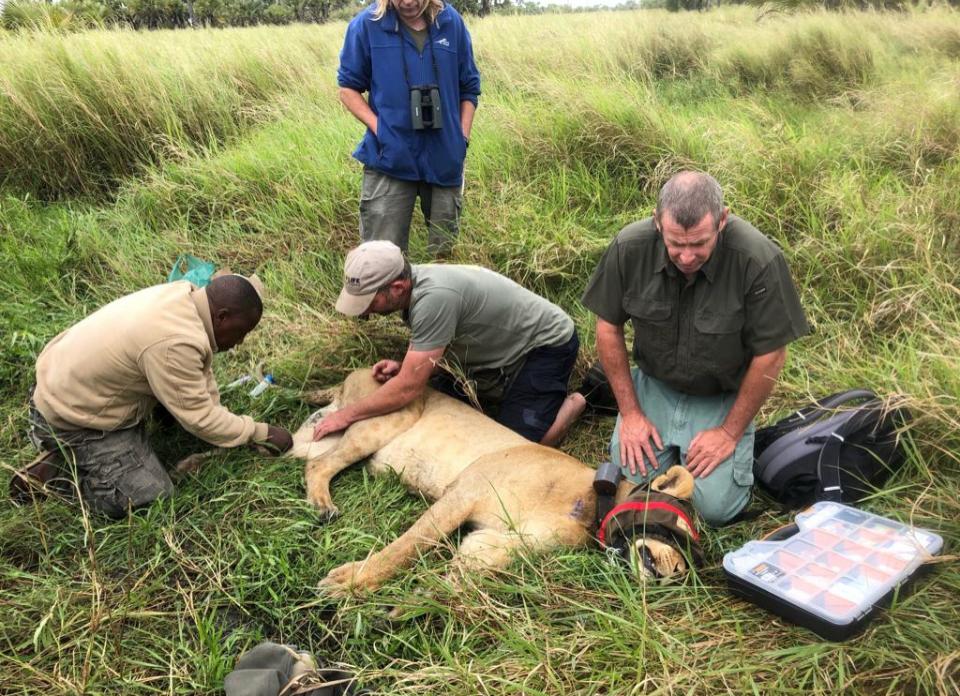
- A veterinarian will dart the animal from a helicopter.
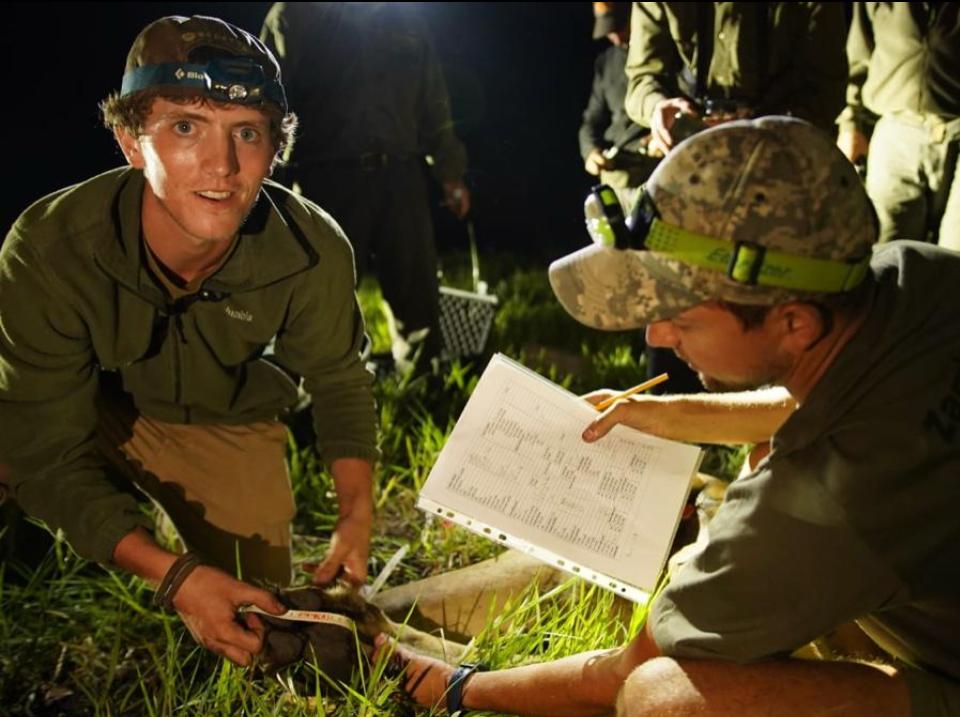
- Once safely sedated, you’ll join the team as the collar is fitted or replaced. Researchers will gather vital data, assess health, treat wounds, and provide supplements or parasite treatments as needed.
- Guests will have a rare hands-on role and receive real-time feedback from both the vet and lead researcher.
Return to the lodge for brunch or lunch, often joined by the veterinarian for deeper discussion.
In the afternoon, head out on a game drive to continue monitoring wildlife. After sundowners in the bush, you’ll track nocturnal species on the way back to camp.


day 4
Start the day with tea, coffee, and rusks before departing for your second collaring experience. Join the team in the field for another hands-on opportunity to assist with veterinary procedures and data collection.
Return to the lodge for lunch.
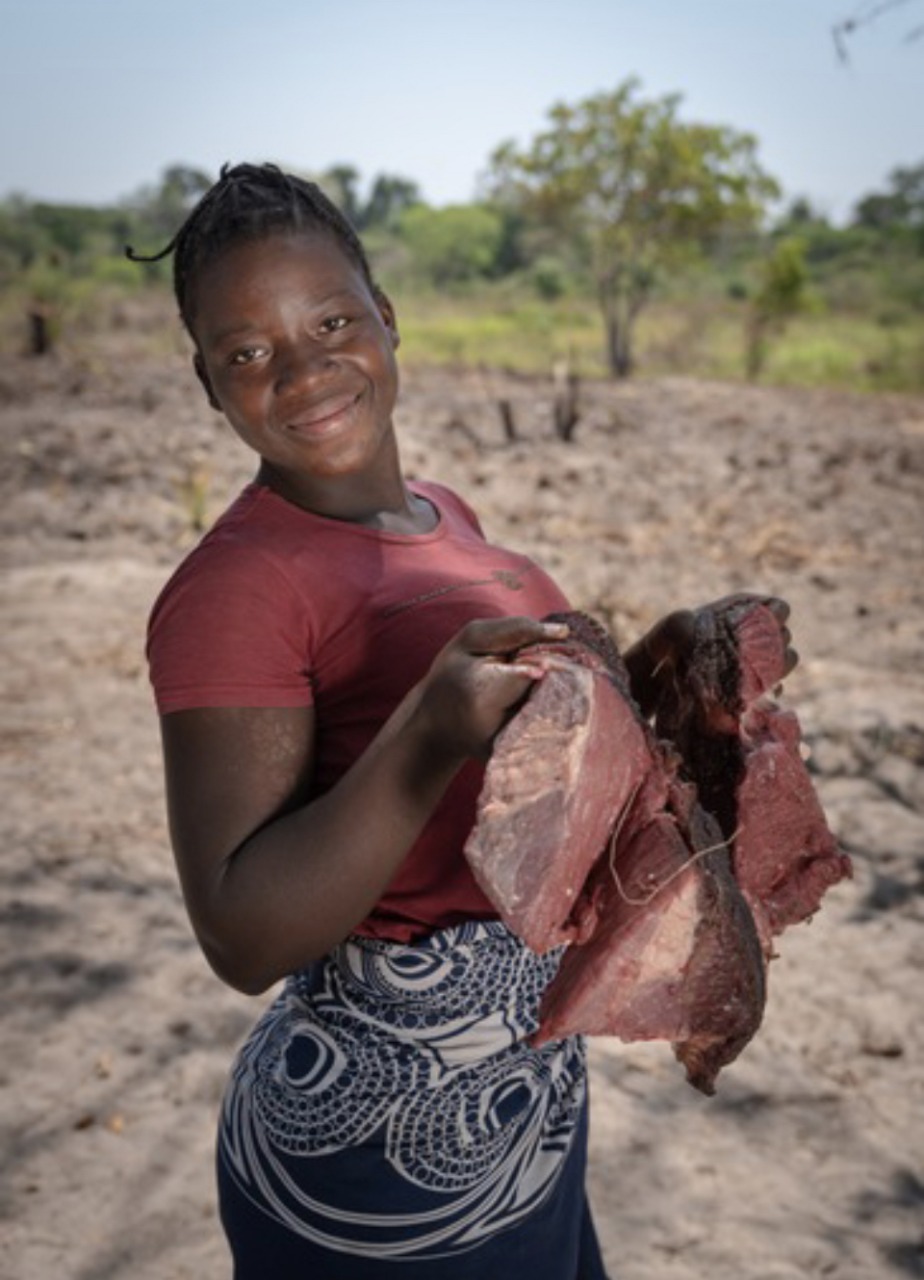
In the afternoon, visit a nearby community to see firsthand how ecotourism supports local livelihoods. Learn how safari operators provide tools and expertise for seasonal crop planting, ensuring food security, and explore projects that strengthen the community—ranging from clinics and schools to innovative beekeeping initiatives.
DAY 5 DEPATURE
- Early morning drive. We will locate the animals that were collared through our donation.
- Breakfast at lodge
- Departure with helicopter transfer back to Beira.
For years the wildlife of Mozambique was nearly decimated from the civil war, but this has greatly changed over the last 20 years through many collaborative efforts of dedicated conservation organizations working with the government and communities.
Communities realize the benefit and value of wildlife and tourism, and the need to preserve their heritage. This area is now thriving with wildlife. With these combined projects, the people add value to preserving wildlife and the environment and this is the only way that we can safeguard Africa’s wildlife areas for future generations.
Communities also benefit from getting employment at lodges or in a company in the reserve.
Plus: a conservation levy fee for tourists to enter the park is $50.00 per person, per day.
Concessionaire profit share and development of infrastructure in the community as mentioned.
Food security through agricultural projects and meat through sustainable hunting. Hunting has been the cornerstone of the revival of Mozambique’s wildlife. I think it is very important that people understand this and once they experience reality, they will be better educated to make up their own mind around the topic. They will most probably be exposed to the fact that hunting takes place in these areas and I believe better they know upfront that when they arrive we need them to explain. Hunting is crucial to the predators that kill on earth daily as it is for the local people. I personally have experienced the devastating impact of uncontrolled poaching on wildlife and would rather see selected animals being hunted, money generated for the community and their need for meat satisfied this way, than indiscriminate poaching, like the pics I sent you of the gin trap/snare style poaching.
What we will aim to achieve from this whole trip, is to see the benefits of the entire project from the local peoples perspective, as they ultimately depend 100% on its success as well as will decide on if wildlife has a future or not going forward.
This is truly a unique operation to experience firsthand a conservation success story and be able to experience a hands-on wildlife experience that very few people will ever have. I believe that the guests who come on this trip will be blown away and will know they have directly contributed to a crucial project.
Where your contribution goes:
By supporting these conservation projects, we make a real impact/difference. All funding goes directly back into wildlife and guests can be a direct part of the experience.
40% of your trip cost goes directly to the boots on the ground teams that we are visiting. This includes the cost for the following items:
- Camera Traps.
- Veterinarian costs (Enabling Mozambique Wildlife Services to do crucial work, by monitoring species and using the info as a benchmark for further project and conservation of the species).
- Helicopter cost: fuel, maintenance
- Collaring for wildlife.
- Anti poaching Operations.
Important Notice:
Prices may vary depending on availability and the exchange rate at the time of booking.
Optional activities or additional excursions can be arranged for an extra cost.